Cities Built for Serendipity
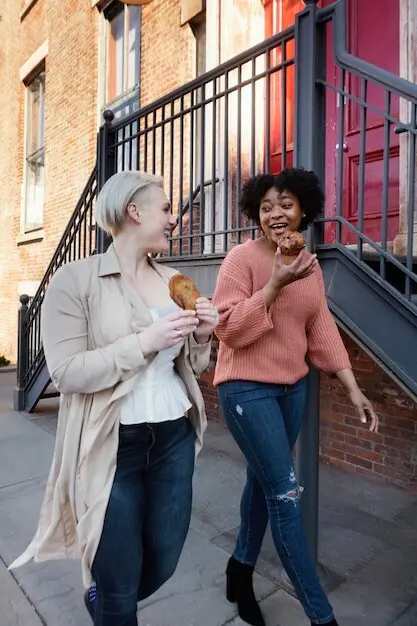
We’re diving into designing urban spaces that spark chance encounters, translating field observations, social research, and street-level wisdom into practical moves you can apply tomorrow. From sidewalks and corner pockets to transit plazas and third places, discover how small spatial decisions nurture big connections, strengthen neighborhood trust, and turn routine journeys into delightful surprises that keep people returning, participating, and building lasting community bonds.

Short Blocks, More Crossings

Shorter blocks produce more corners, which generate decision points, slower turning, and increased visibility between walkers and cyclists. Each crossing multiplies chance alignments of routes, boosting serendipity. William Whyte’s observations showed corners concentrate activity; add a bench, planter, or vendor nearby, and you convert transit into interaction without demanding any extra time commitment.

Active Ground Floors

Doors, displays, and open facades turn passive sidewalks into porous social edges. A bakery window with a cooling rack, a repair shop with tools visible, or a café with service windows invites casual questions. Transparency sparks curiosity, and curiosity often becomes conversation, especially when thresholds are comfortable, sheltered, and paired with a small ledge or perch that says, confidently, you can linger here.

Corners as Social Magnets

Corners are where flows intersect and faces reappear. Tilt a bench fifteen degrees toward the crossing, add planting that screens slightly without blocking views, post a neighborhood board, and keep lighting warm. People waiting naturally share glances, advice, and tips about nearby places. Over weeks, these small exchanges accumulate trust, and trust becomes the foundation for mutual help during ordinary days and tough moments.

Edges, Thresholds, and the Power of the In-Between
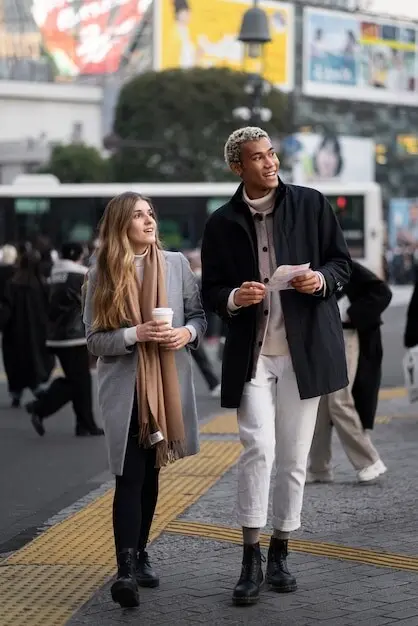
The most memorable conversations often happen along edges: stoops, steps, arcades, and shaded thresholds. These semi-public microzones balance comfort with openness, reducing social risk while inviting participation. By designing intermediary spaces that neither trap nor expel, we offer gentle invitations to join, watch, or contribute. The choreography of approach, pause, and retreat becomes a humane script for spontaneous connection.

Programming Time and Use for Lively Overlap

A plaza that hosts produce at sunrise and local musicians after work serves two social worlds with one address. Vendors recognize regulars, performers greet vendors, and shoppers discover both. This gentle time-sharing diversifies the social graph, building bridges among generations, languages, and incomes. A simple storage shed and power outlet can unlock surprising cultural cross-pollination with minimal capital expense.
Basketball in the afternoon, dance practice at night, tai chi at dawn—mark flexible lines and provide movable equipment so activities can rotate. Add chalk boards and sign-up clips that empower residents to propose new uses. When communities co-author scheduling, stewardship grows organically, and participants introduce friends, widening networks. The same square meters become a living calendar of shared discovery and mutual encouragement.
Program gaps strategically to create transition windows where groups mingle as one wraps up and another arrives. Ten minutes of overlap encourages hellos, quick tips, and spontaneous invitations. Publish micro-schedules at eye level, online, and via neighborhood chats. Over months, these predictable overlaps evolve into trusted rituals, making the place not just busy but meaningfully connective for people who rarely meet elsewhere.

Seating, Sightlines, and the Theater of Everyday Life

Comfortable sitting is the invitation; smart orientation is the conversation. William Whyte’s plaza studies showed movable chairs dramatically increase lingering and sociability because people self-organize into comfortable distance and angle. Pair varied seating heights with inclusive options, maintain clear sightlines, and design edges where watchers feel welcome. The result is a low-pressure social stage where everyday life succeeds as captivating performance.

Movable Chairs, Movable Choices

When people can drag a chair a few inches, they fine-tune privacy, sun, and proximity. That agency lowers social friction and extends dwell time. Look at Bryant Park’s transformation: loose seating amplified invitations to talk, read, or share snacks. Combine with small round tables, reliable shade, and clean surfaces, and you create a civic living room where new acquaintances feel natural and unforced.

Face-to-Face Without Forcing It

Arrange seats at gentle angles, not confrontational head-on lines. Offset pairs near edges, group threes for small clusters, and leave a solo perch nearby. This spectrum respects different comfort levels while keeping conversation possible. Add cues—a board game shelf, a chess table number, a shared water carafe—and strangers have easy excuses to exchange a word that can become a longer story.

Perches with Purpose at Eye Level

Standing rails, leaning bars, and low walls offer quick rest without committing to a sit. Positioned along desire lines, they slow the stream just enough for micro-greetings, directions, or compliments about a dog’s goofy grin. Provide reachable hooks, shelves for cups, and subtle lighting. These humane details validate brief pauses, multiplying chances for small, memorable social sparks during ordinary errands.

Climate Comfort and Sensory Delight

People connect longer when they feel physically at ease and emotionally uplifted. Shade trees, misters, wind breaks, and winter sun pockets widen the season for outdoor life. Layer in color, fragrance, and textured materials to engage senses without overwhelm. Comfort invites patience; patience invites curiosity; curiosity invites conversation. This chain reaction turns a pretty space into a beloved social anchor.

Shade, Sun, and Seasonal Choreography

Map solar angles and dominant winds to place deciduous trees, pergolas, and reflective surfaces where they work hardest. Offer sunny steps in winter, deep shade in summer, and options in between. Seasonal choreography respects diverse preferences, sustaining footfall across months. When bodies feel good, minds open, and people stay long enough for serendipity to find them naturally, repeatedly, and joyfully.

Soundscapes that Welcome Conversation

Design for speaking volume: soften harsh echoes with planting and wood, mask traffic with gentle water, avoid speakers blasting a single playlist. Layer subtle sounds—leaves, footsteps, distant laughter—so voices carry without strain. A comfortable acoustic envelope lowers social anxiety, especially for elders and neurodiverse people, making invitations to chat feel manageable, friendly, and truly accessible throughout the day.

Mobility Hubs that Connect People, Not Just Trips

Transit nodes already assemble diverse strangers; design can convert waiting time into community time. Treat platforms, bike docks, and curb exchanges as plazas with seating, shade, power, and playful details. Good wayfinding, clear sightlines, and human-scaled amenities reduce stress, freeing attention for friendly micro-interactions that make commutes feel supportive, informative, and quietly delightful.

First and Last Ten Minutes

The approach and departure shape memory more than the ride. Provide continuous sidewalks, protected crossings, bike repair posts, and small coffee kiosks at edges. At these moments, people are unhurried enough to smile or help. Design generous corners, music at conversational volume, and weather cover, and that everyday kindness becomes the predictable rhythm of the neighborhood’s shared mobility heartbeat.

Platforms as Plazas

A platform with movable seats, leaning rails, and art that invites response becomes more than a queue. Add a community notice screen, a local history panel, and a designated meet-up marker. People naturally congregate, trade tips, and spot recurring faces across days. When transit acknowledges humans as social, not merely logistical, the journey knits together lives while carrying them across the city.

Wayfinding that Feels Like a Host

Clear signs at eye level, friendly landmarks, and intuitive lighting reduce cognitive load. When confusion drops, generosity rises: travelers help each other instead of competing for scarce attention. Name exits after nearby destinations, color-code routes, and place maps where small groups can gather without blocking flow. Wayfinding, done warmly, transforms strangers into guides who gladly pay insight forward.
Telipalolivo
Privacy Overview

This website uses cookies so that we can provide you with the best user experience possible. Cookie information is stored in your browser and performs functions such as recognising you when you return to our website and helping our team to understand which sections of the website you find most interesting and useful.